A: PP woven bags are made from woven polypropylene fabric. The material is lightweight, strong and cost-friendly, which makes it suitable for many dry bulk products. Depending on the product and market, the bags can be made with virgin PP, recycled PP, coated fabric, PE liner or laminated material.
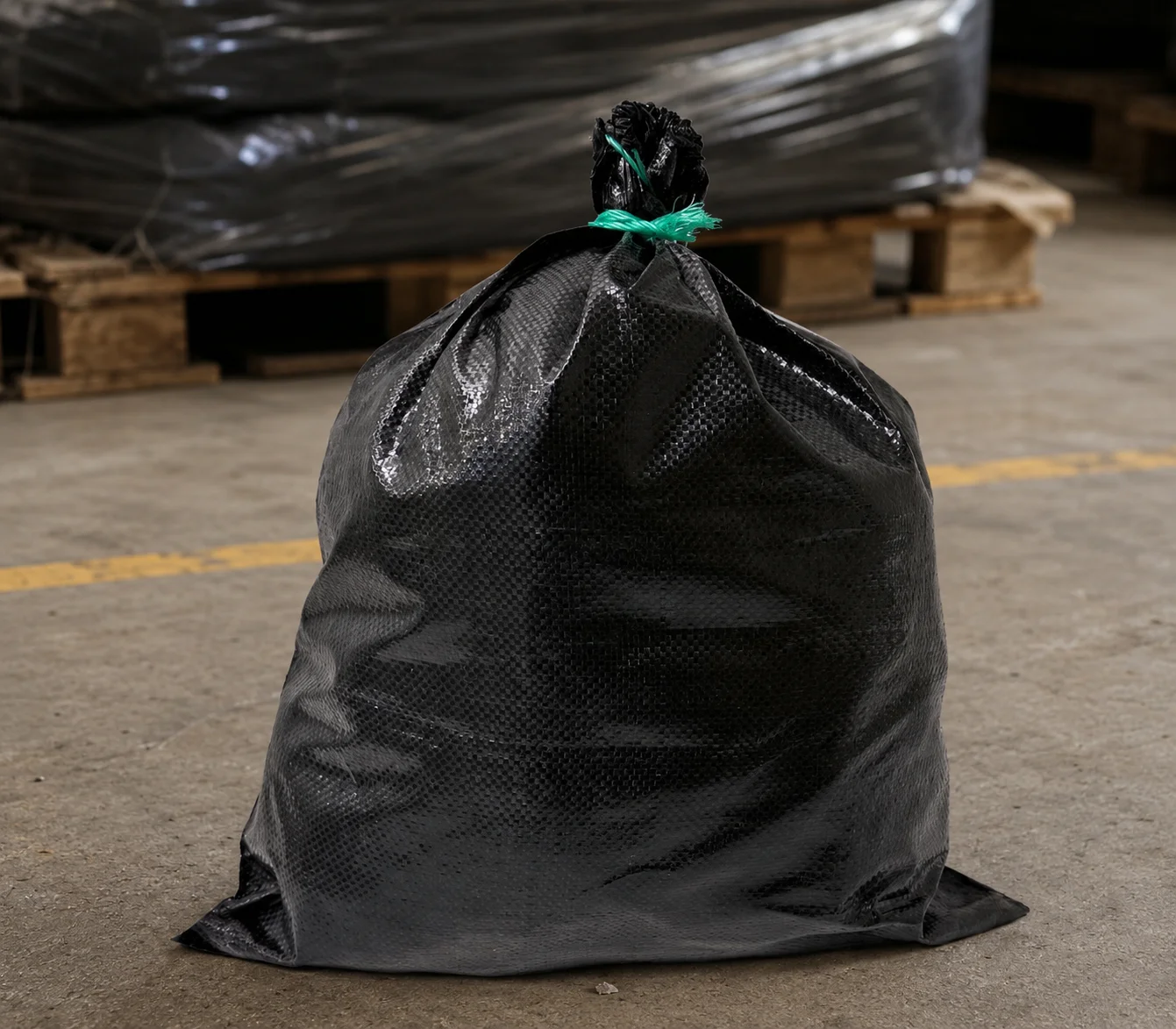
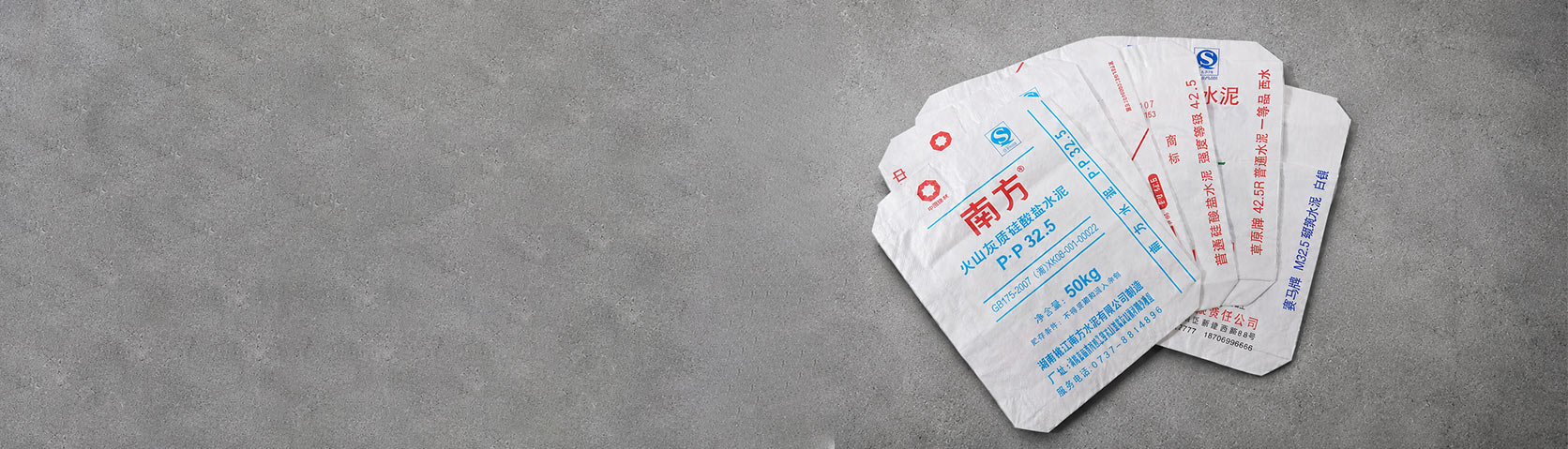
A: PP woven bags are widely used for cement, dry mortar, flour, grain, rice, fertilizer, animal feed, seeds, sand, soil, construction materials, plastic granules, industrial salt, waste materials and many other dry products. The bag structure can be adjusted according to the product weight and storage condition.
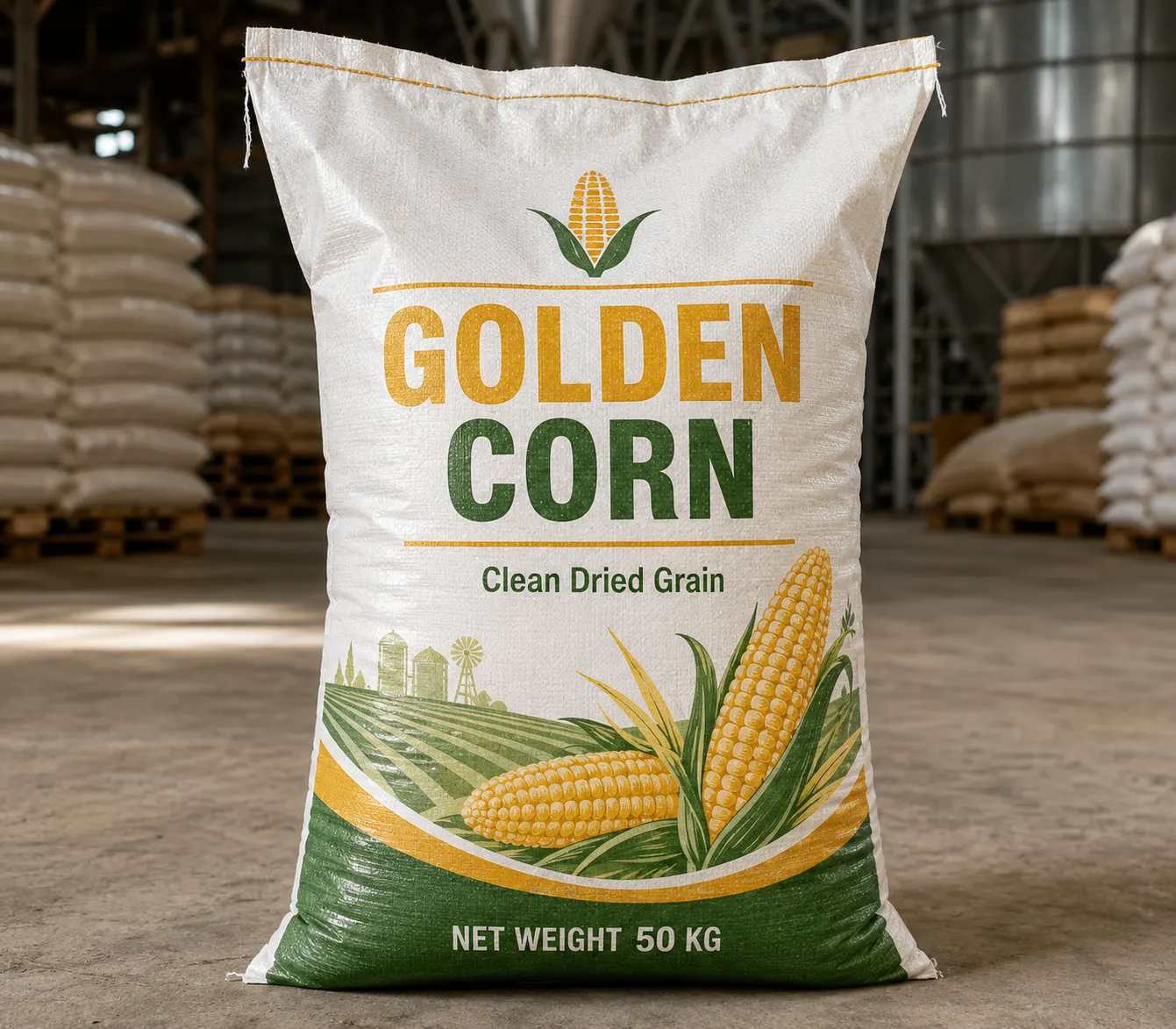
A: Plain PP woven bags have no printed design. They are simple, economical and easy to arrange in production. Printed PP woven bags can carry logos, product names, weight, company information and simple graphics. If the design is simple, flexo printing is usually enough. If the customer needs colorful retail packaging, BOPP laminated bags are more suitable.
A: PP woven bags can be used for some dry food packaging, such as rice, flour and grain, but the material and production requirement should match the customer’s food packaging standard. For better protection, customers often choose virgin PP material, coated fabric, BOPP laminated surface or PE liner. The final choice depends on the product, local regulations and storage conditions.
A: Virgin PP material is usually cleaner in appearance and offers more stable strength, so it is often chosen for food, feed, retail packaging or higher-quality markets. Recycled PP material is more economical and is commonly used for construction waste bags, sand bags or cost-sensitive industrial packaging. The choice should depend on loading weight, product value, market requirement and budget.