| Item |
Reference Options |
| Product |
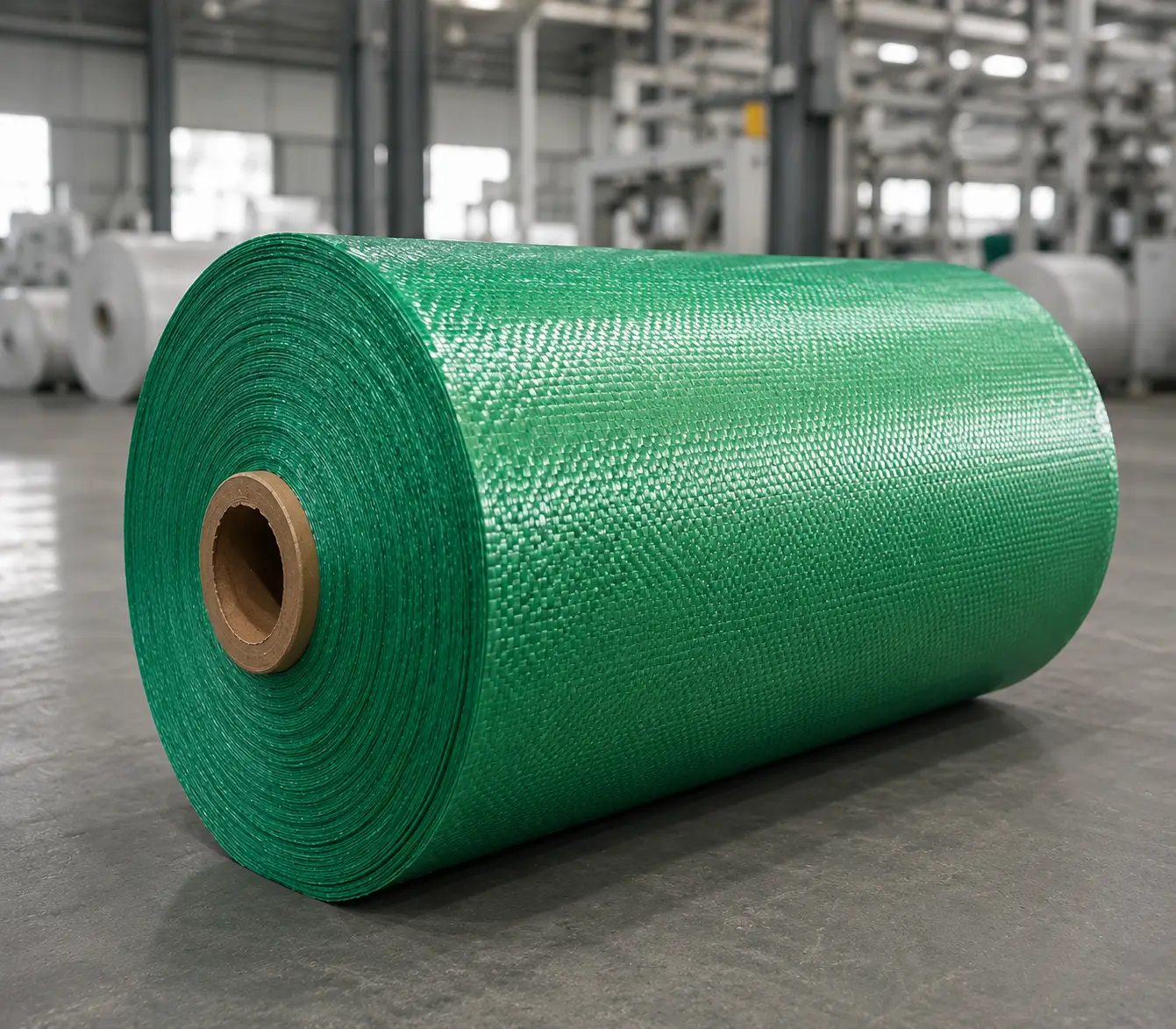
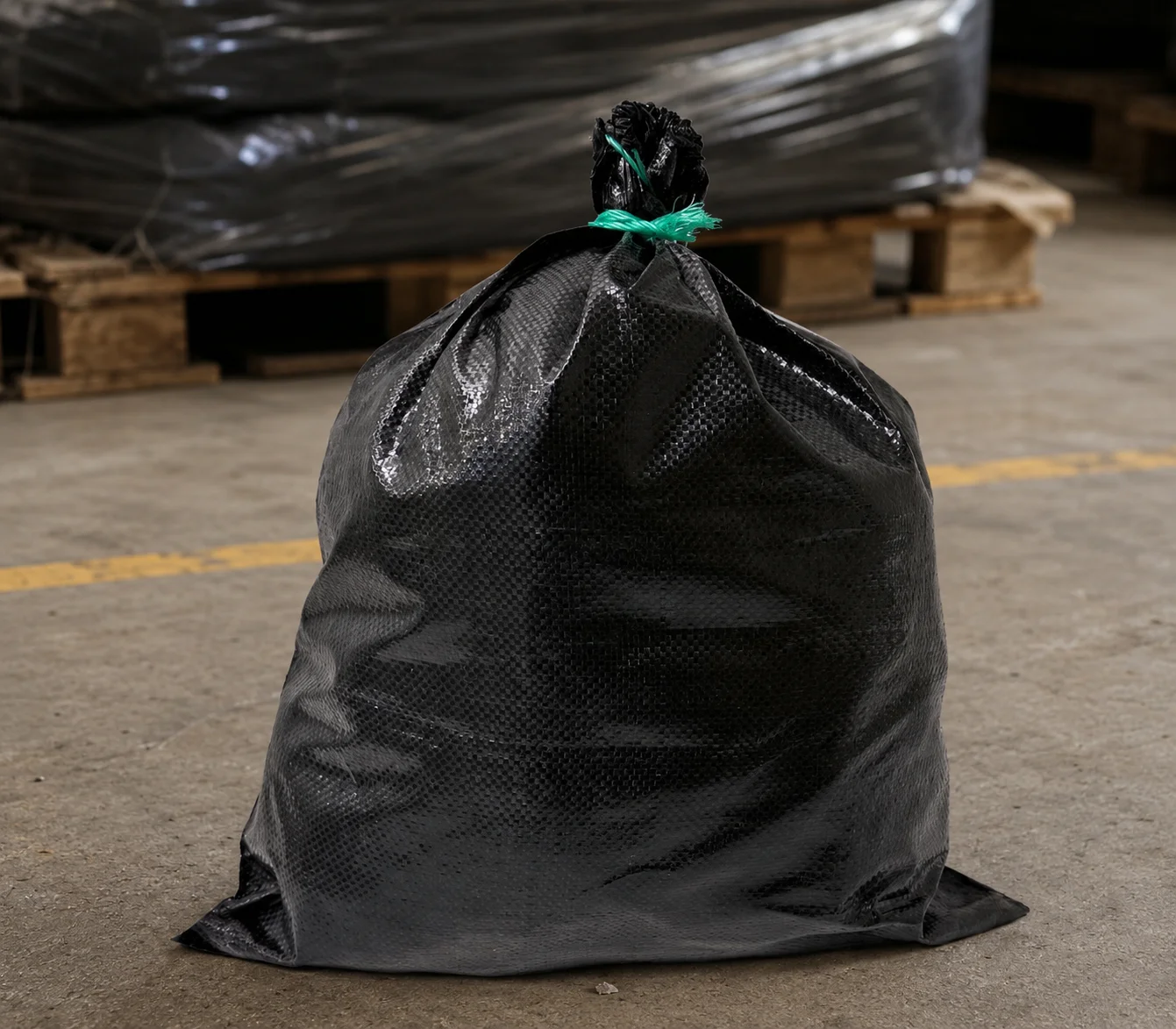
PP woven construction waste bags |
| Typical contents |
Renovation debris, garden waste, soil, rubble and ordinary site clean-up material |
| Material |
Virgin, mixed or recycled PP formulation, subject to agreed performance |
| Fabric weight |
Typically 40–60 gsm; heavier construction available after load testing |
| Bag width and length |
Custom to the required volume and handling method |
| Load rating |
Confirmed by testing with the actual contents; not assigned from bag size alone |
| Colors |
Black, dark green, white or another agreed production color |
| Top |
Heat-cut, cold-cut or hemmed open mouth |
| Bottom |
Single- or double-folded; single- or double-stitched |
| Optional treatment |
UV stabilization, coating or inserted PE liner |
| Printing |
Flexographic printing for simple marks and artwork |
| Export packing |
Bundles, bales or pallets arranged for the order |
| MOQ, plate cost and lead time |
Confirmed after dimensions, material, printing and quantity are reviewed |
Information Needed Before Quotation
- Waste type, density and photographs of typical pieces
- Approximate fill level or target loaded weight
- Required bag width and length, or a current sample
- Whether workers lift, drag, tie or stack the filled bag
- Expected outdoor exposure and local climate
- Preferred material formulation and color
- Coating, liner, UV or printing requirements
- Order quantity, shipping method and destination
Test the Sack with the Real Site Load
Send a photograph of the debris and describe how the bag is filled and moved. XH Packaging can prepare a practical fabric and seam proposal, then refine it after your team tests the sample under the same conditions found on the renovation, landscaping or clean-up site.
Construction Waste Bags FAQ
1. Can recycled PP be used for construction waste bags?
Yes, for suitable ordinary waste applications. The recycled-material blend, color and finished strength should match the expected load and handling method. Test a filled sample under the intended lifting and dragging conditions.
2. What fabric weight is commonly used for construction waste bags?
Typical fabric weight is 40–60 gsm for cost-conscious collection work. Denser rubble, rough ground or repeated handling may require a heavier construction. Send waste photographs and reproduce the actual lifting or dragging routine during testing.
3. Does UV treatment make the bags suitable for permanent outdoor storage?
No. UV stabilization can slow sunlight-related deterioration during a defined period, but performance varies with climate, season and exposure time. Provide the expected outdoor period so the option can be assessed.
4. Can a coating or PE liner be added for damp garden waste?
Yes, either option can create a more closed structure for damp garden waste. The finished sack is not liquid-tight and should not contain free liquid. Describe the moisture condition and test the proposed bag with the actual material.
5. Can these bags hold sharp rubble, glass or hazardous waste?
Irregular rubble may be suitable only after puncture testing. Standard sacks should not hold broken glass, sharp metal, asbestos, contaminated waste or regulated materials without a purpose-designed system. Provide photographs and follow the applicable local handling rules.



 Related