| Item |
Available or Reference Options |
| Product type |
PP woven sand bags / flood control sandbags |
| Material |
PP woven fabric; color and formulation confirmed for the order |
| Fabric weight |
40–90 gsm; any request above 90 gsm requires separate factory confirmation |
| Bag width |
30–120 cm |
| Bag length |
Customized |
| Manual flood-control filling |
No universal weight is offered; confirm from local procedures, bag dimensions, material density, crew handling limits and a deployment trial |
| Industrial sand or soil sack range |
Nominal 10–100 kg; final size and construction require product, filling and handling review |
| Weave |
7 × 7 to 14 × 14; counting method and unit stated in the approved specification |
| Common colors |
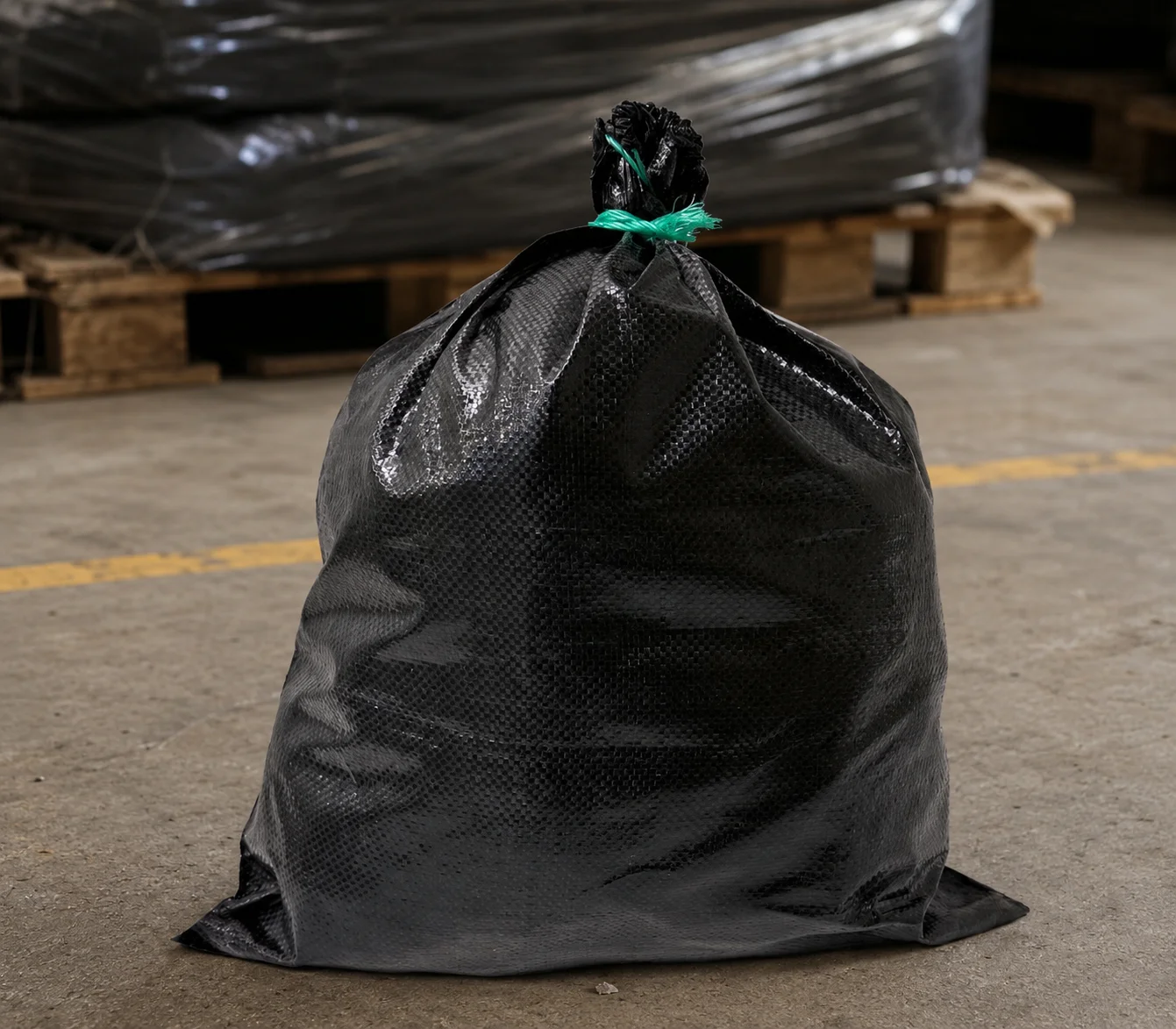
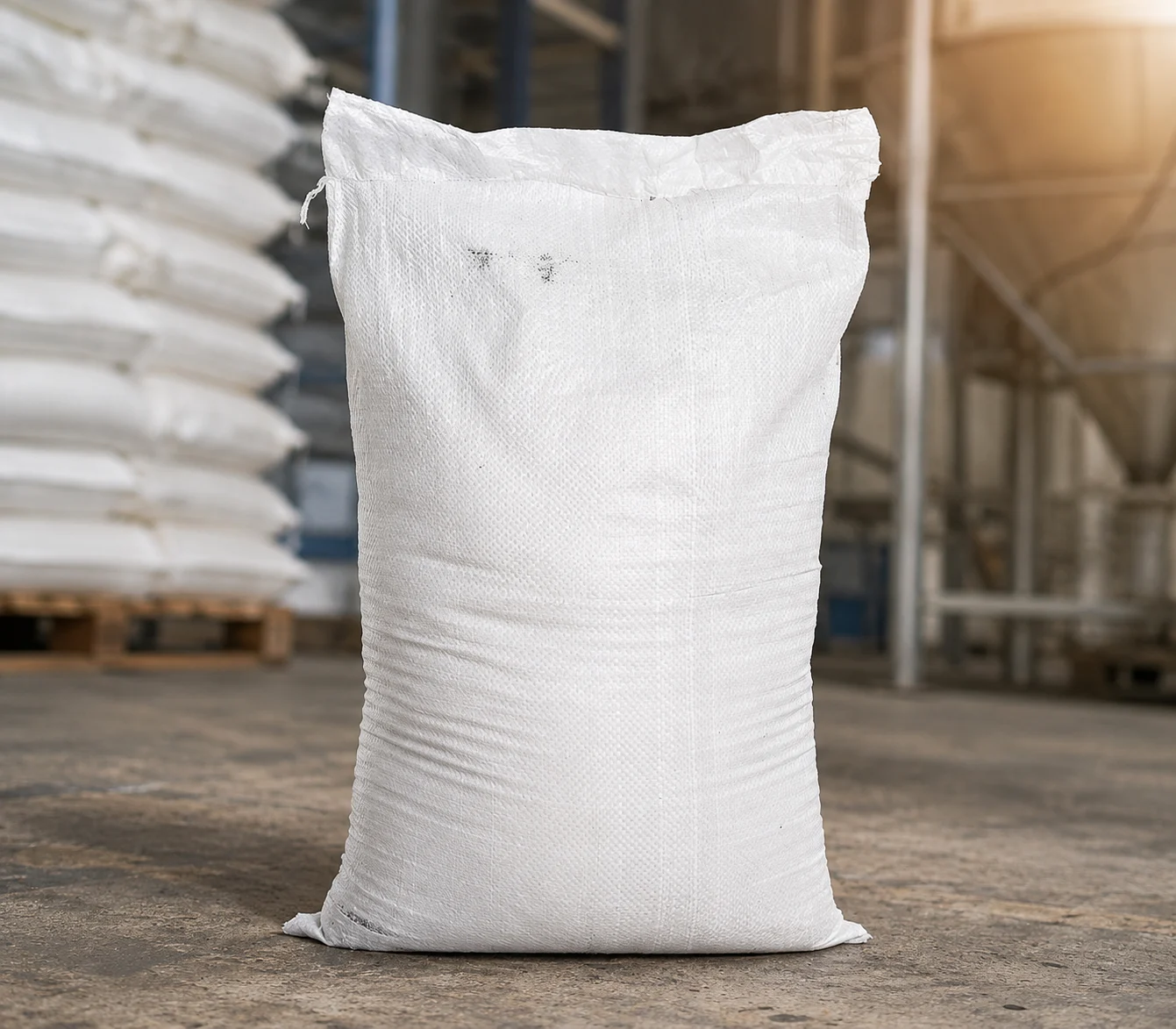
White, green, black or a confirmed custom color |
| Top |
Heat-cut or hemmed top |
| Bottom |
Single- or double-folded bottom; single or double stitching |
| Printing |
Flexographic printing for logos or identification marks |
| Outdoor option |
UV treatment specified for a defined climate and exposure period |
| Special moisture option |
Coating or inserted PE liner for an approved dry-storage or special application |
| Packing |
100 bags per small bundle; master bundles kept below 50 kg or arranged to an approved project format |
| Commercial terms |
MOQ, setup and production time confirmed after size, print, quantity and required delivery window are reviewed |
Information Needed for a Quotation
- Intended use and whether the bags are planned inventory or for a specific deployment
- Empty bag dimensions, filling material and proposed fill weight
- Short-term or extended placement, climate and expected sunlight exposure
- Manual or mechanical filling, closing, lifting and repositioning methods
- Preferred fabric weight, color, identification print and UV requirement
- Bundle size, total quantity, delivery window and destination
- Local engineering or emergency requirements that affect filling and placement
Prepare the Right Sandbag Before the Site Needs It
Tell XH Packaging how the bags will be filled, handled and stored before deployment. We will compare size, fabric weight, seam, color and UV options, then quote a confirmed construction and bundle format for your flood response or site program.
PP Woven Sandbags FAQ
1. Do flood-control sandbags need UV treatment?
UV treatment is recommended when empty or filled sandbags will face sustained sunlight. The required level depends on climate, storage arrangement and expected exposure period. Provide those conditions so performance can be assessed for the selected construction.
2. How should I choose between 40 gsm and 90 gsm fabric?
Choose fabric weight from bag dimensions, proposed fill, abrasiveness, handling frequency and outdoor duration. Lighter fabric may suit controlled short-term use, while rough handling or longer placement may justify a higher weight; constructions around 100 gsm require factory confirmation. Test the selected sandbags under the intended filling and handling method.
3. What filling weight should I use for flood-control sandbags?
There is no universal filling weight for every sandbag size or crew. Follow local emergency or engineering procedures and consider bag dimensions, material density and crew handling limits. Validate the fill level, overlap and placement in a deployment trial.
4. Can sandbags be color-coded or printed for different sites?
Yes, fabric colors and simple flexographic marks can identify size, owner, site, batch or deployment purpose. Feasibility depends on the color reference, print area, artwork and quantity. Send those details so printing feasibility, setup and schedule can be quoted.
5. Are coated or PE-lined sandbags better for flood control?
Not necessarily; coating and liners are mainly used for defined dry-storage or special applications. Flood-control performance also depends on fill level, overlap, placement and the site plan. Review flexibility and filling through a trial before adding either option.



 Related