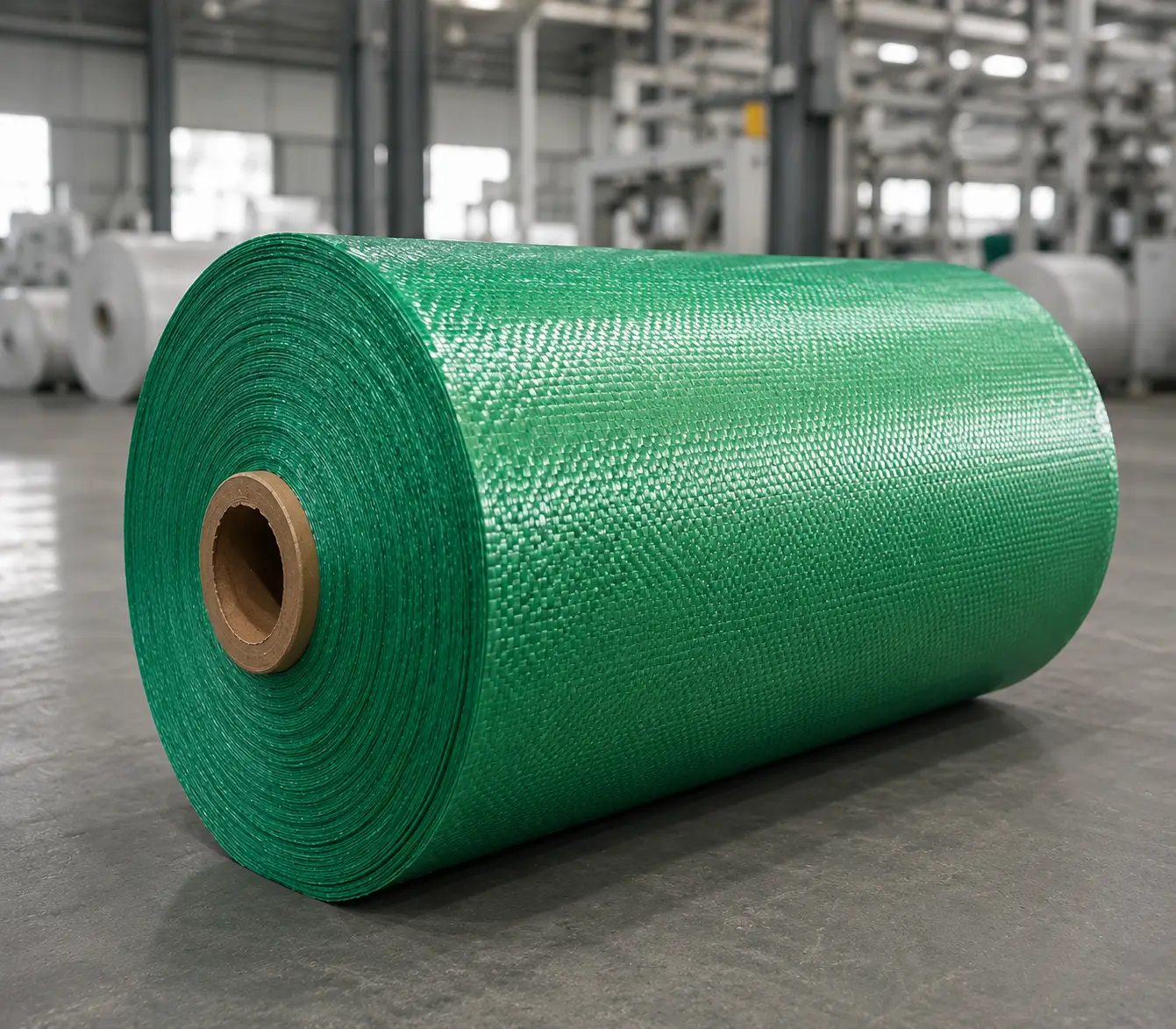
A nominal weight does not tell the whole story. Pellets, mash, meal, mineral blends, and additives differ in density, flow, abrasion, and settling. A 25 kg pellet bag and a 25 kg fine-feed bag may therefore need different dimensions or protection. XH Packaging reviews width, length, headspace, fabric weight, mesh, bottom fold, and stitching as one specification instead of treating one gsm value as a universal answer.
Common feed projects include 10 kg, 20 kg, 25 kg, 40 kg, and 50 kg packs, while the broader production range covers 10–100 kg. Final load performance should be confirmed on the selected design using the buyer's product and handling conditions. Useful approval inputs include the filled-bag dimensions, lifting method, expected drop height, pallet stack, transport route, and a current bag sample.
Consistent filled dimensions help bags form orderly pallet layers. The bag aspect ratio, fill level, bottom geometry, and surface should be reviewed with the customer's pallet size and layer pattern. Pallet quality, fill consistency, stack height, stretch wrapping, and warehouse handling also affect stability, so the bag and pallet system should be assessed together.
Breakage risk is influenced by fabric, folds, lamination bond, thread, stitching, and top closure. Before volume production, the order specification can define checks for fabric weight, dimensions, print appearance, lamination, stitching, and bundle quantity. A representative filling and drop trial gives the buyer a practical basis for approving the final construction without relying on capacity alone.
Plain uncoated woven PP is breathable and economical for many dry feeds stored under controlled conditions. Coated woven PP, BOPP lamination, or an inserted PE liner can be considered for fine products, humid warehouses, port storage, or longer distribution routes. The required structure depends on the feed's moisture sensitivity, the bag mouth and closure, storage time, climate, and acceptable particle leakage.
These options perform different roles. BOPP lamination is useful when detailed branding and a smooth printed surface are important. PE coating can reduce exposure through the woven body, while an inserted liner adds a separate inner layer. The full bag should be evaluated because seams, needle holes, and the opening also influence moisture and dust control.
Automatic equipment needs more than a bag with the correct nominal size. Bag pickup, mouth opening, filling clearance, product flow, and top closure can all be affected by dimensional consistency and construction. To prepare a line-matched sample, provide the machine make and model, magazine limits, filling spout or chute size, required bag mouth, top clearance, target rate, dust-control arrangement, and sewing or sealing method.
Straight-cut, zigzag-cut, and hemmed tops are available for review. Bottoms can be single- or double-folded with single or double stitching. A run on the actual filling and closing line should form part of final sample approval, especially when a new bag replaces an existing production format.
Simple flexographic printing can suit high-volume trade feed that needs clear identification and handling information. Gravure-printed BOPP film laminated to the woven fabric supports detailed photographs, color-coded product families, and stronger dealer or retail presentation. Printing is available in up to eight colors, subject to the bag structure and approved artwork. Leave suitable space for batch coding and all labeling required in the destination market.
| Item | Available Options |
| Product type | Plain, coated, or BOPP laminated PP woven animal feed bags |
| Applications | Poultry, livestock, fish feed, feed additives, and dry nutrition products |
| Material | PP woven fabric; BOPP lamination, PE coating, or inserted PE liner optional |
| Common filling weights | 10 kg, 20 kg, 25 kg, 40 kg, and 50 kg project formats |
| Wider capacity range | 10–100 kg |
| Fabric weight | 40–110 gsm |
| Bag width | 30–120 cm |
| Bag length | Customized |
| Mesh | 7 × 7 to 14 × 14 |
| Top | Straight cut, zigzag cut, or hemmed |
| Bottom | Single- or double-folded; single or double stitching |
| Printing | Gravure or flexographic, up to 8 colors |
| Packing reference | 100 bags per small bundle; master bundles customized and kept below 50 kg each |
| Commercial terms | MOQ, plate cost, sampling, and schedule confirmed after specification and artwork review |
Send XH Packaging your feed details, current bag, and line specification. We will organize the load, moisture, pallet, print, and equipment requirements into one bag specification for sample filling and approval.
Plain woven PP suits many dry pellets, while coating, BOPP lamination, or an inserted PE liner may suit finer or moisture-sensitive feed. The choice depends on particle size, dust, bulk density, storage route, printing, and closure. Send the feed details and a filled sample where available.
Strength is confirmed on the finished bag design rather than from fabric weight alone. The specification should reflect filling weight, feed density, expected drop height, handling frequency and transport conditions. Provide the load and bag details, then complete filling, drop, stacking, and transport tests.
Consistent fill volume and bag proportions that fit the pallet are the starting points. Bottom shape, surface, layer pattern, wrapping, and stack height also affect stability. Send the pallet dimensions and a current load photo, then assess the proposed bag in a representative stack.
The bag can be developed around automatic filling and closing equipment. Compatibility depends on the magazine, filling spout, bag opening, tolerances, target speed, top clearance, dust control, and closure. Provide the machine details and run the sample on the actual line.
No, they vary by size, construction, printing method, artwork versions, materials, and quantity. Sampling and packing requirements can also affect the schedule. Send the specification, artwork, quantity by SKU, and forecast so the applicable terms can be quoted.

We provide complete OEM & ODM solutions for PP woven bags, BOPP laminated bags and FIBC jumbo bags. Customized sizes, colors, printing designs and bag structures are available according to different packaging requirements.
Advanced gravure printing and BOPP lamination technologies help customers enhance product appearance and brand value. Multi-color printing, matte/glossy finishes and high-definition graphics are available.
We provide professional packaging solutions for agriculture, food, chemicals, construction materials, feed, fertilizer and bulk cargo industries.
Customized FIBC jumbo bags are available in different loading capacities, lifting designs, top & bottom constructions and safety factors for industrial bulk transportation.
Available bag types include valve bags, block bottom bags, gusset bags, pillow bags, laminated bags and PE liner bags.
From raw materials to finished products, every production process is strictly controlled to ensure high tensile strength, stable quality and reliable packaging performance.