| Item |
Reference Options |
| Product |
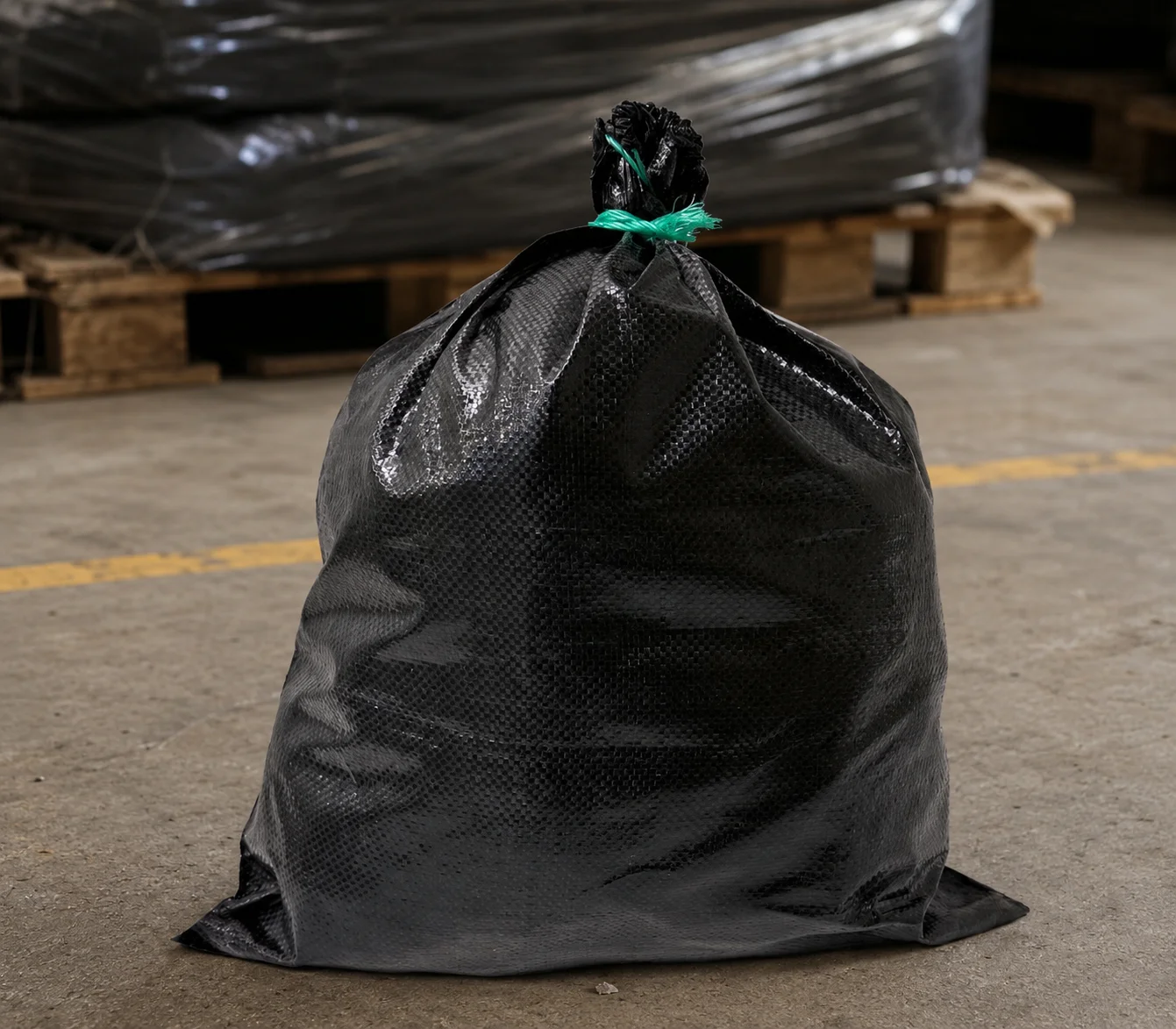
PP woven cement packaging bags |
| Capacity |
25–50 kg; common projects include 25 kg, 40 kg and 50 kg |
| Material |
PP woven fabric; virgin or recycled formulation available on request; optional PE coating or BOPP film |
| Fabric weight |
70–90 gsm |
| Bag width |
35–55 cm |
| Bag length |
50–70 cm |
| Mesh |
7 × 7 to 14 × 14 |
| Filling format |
Stitched open mouth, sewn valve or block-bottom heat-sealed valve |
| Valve size |
Custom to the filling spout; drawing, measurements or sample required |
| Air release |
Controlled micro-perforation, subject to filling-line validation |
| Surface |
Plain, coated or BOPP laminated; anti-slip treatment optional |
| Printing |
Flexographic on woven/coated fabric; gravure-printed BOPP film, up to 8 colors after artwork review |
| Reference packing |
400–500 bags per bundle, or 5,000–10,000 machine-palletized bags per pallet; confirmed by bag size and shipping plan |
| MOQ, plate cost and lead time |
Confirmed after the format, artwork, dimensions and quantity are reviewed |
Information Needed Before Quotation
- Cement type, fineness and target fill weight
- Manual, semi-automatic or automatic filling method
- Filler make and model, spout dimensions and target line speed
- Current bag sample, drawing or filling video
- Closing method and required filled-bag dimensions
- Pallet footprint, layer pattern and conveyor conditions
- Coating, BOPP, liner, perforation and anti-slip requirements
- Artwork, order quantity and destination
Test the Cement Bag Where Performance Matters
Share your current bag and filling-line details with XH Packaging. We can prepare an open-mouth or valve construction for a focused trial, then refine valve fit, venting, closure and pallet shape from actual production results before the final specification is approved.
PP Woven Cement Bags FAQ
1. Which cement bag works for manual or semi-automatic filling?
A stitched open-mouth bag is often practical when filling and sewing are separate steps. Its mouth width, top clearance and dimensions must match the filler, conveyor and sewing head. Provide the equipment details and a bag sample for a line trial.
2. What valve size should I order for an automatic cement filler?
There is no universal valve size. Internal width, sleeve depth and opening direction must fit the spout and closing action. Send the filler model, spout drawing and current bag for comparison.
3. Why are micro-perforations added to coated cement bags?
They release air displaced during fast filling. The number, diameter and position of the perforations should be tested against cement fineness, fill pressure and target speed. Check fill time, dust escape and filled-bag shape on the line.
4. Are block-bottom valve bags better for palletizing?
They can form a flatter, more regular pack that supports consistent pallet layers. Stability still depends on fill weight, dimensions, surface friction and the stacking pattern. Build a short stack with filled samples to compare performance.
5. Can an existing automatic line switch from sewn-valve to block-bottom bags?
Yes, if the new format matches the spout, bag magazine, closing method and conveyor guides. Line speed can also affect compatibility. Test the block-bottom bag on the existing equipment before switching formats.



 Related