custom-pp-woven-grain-bag-pp-woven-corn-grain-bag
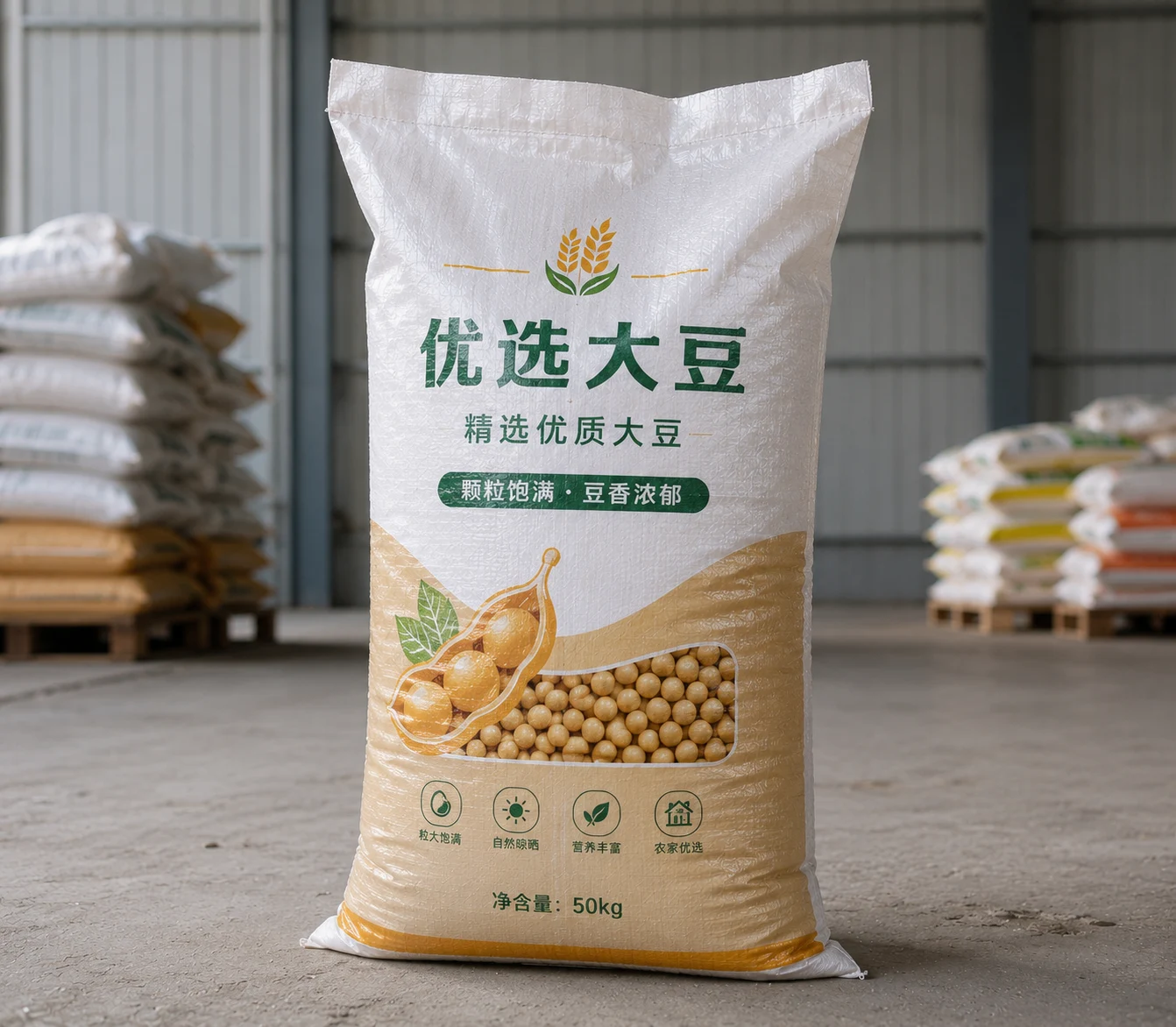
Printed soybean or pulse bags stacked in a dry warehouse; backup image for Custom PP woven grain packaging bags.
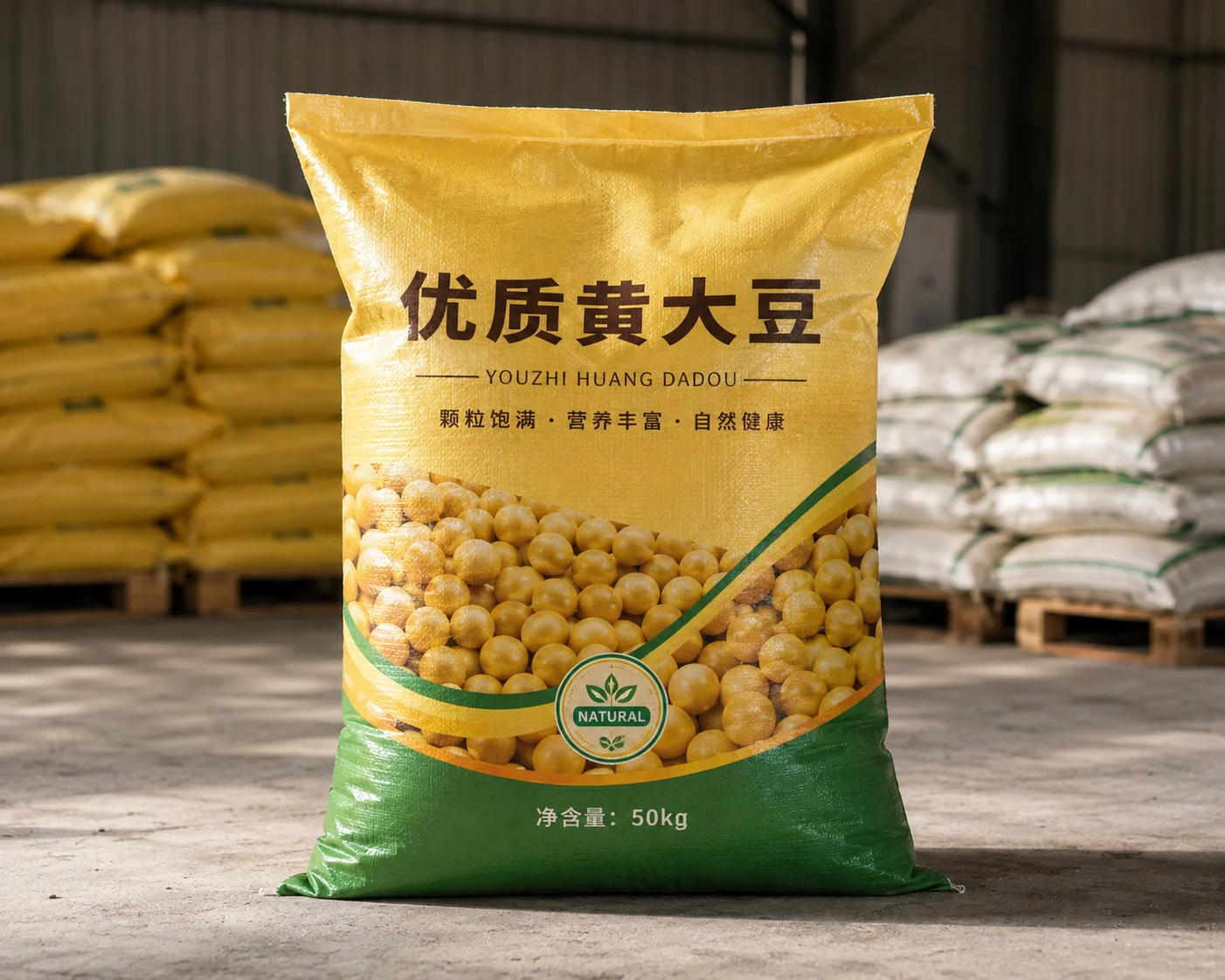
A yellow printed grain sack with regional and harvest imagery for Custom PP woven grain packaging bags.
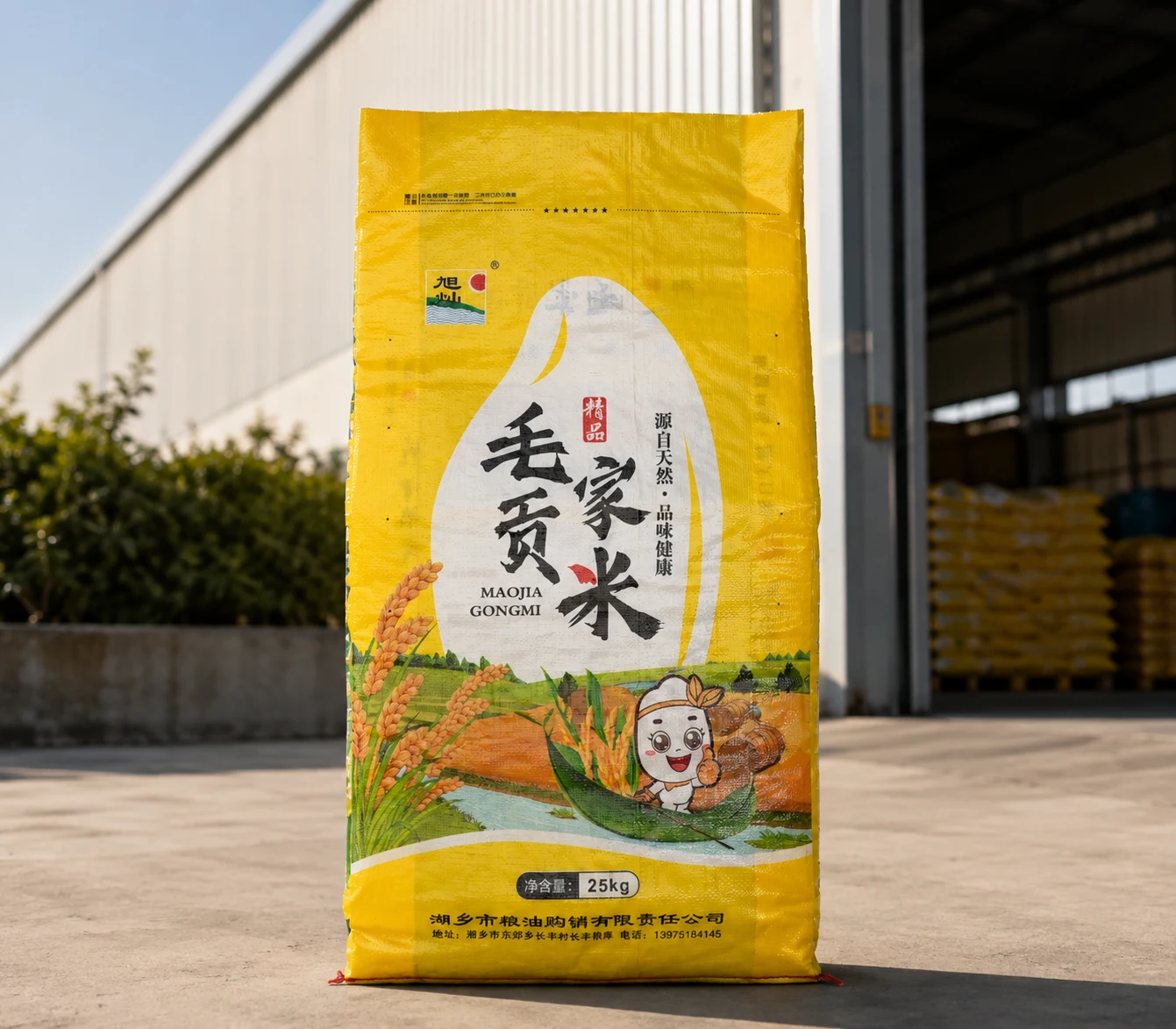
A blue printed grain bag with a field and crop landscape for Custom PP woven grain packaging bags.
custom-pp-woven-grain-bag-pp-woven-corn-grain-bag
Printed soybean or pulse bags stacked in a dry warehouse; backup image for Custom PP woven grain packaging bags.
A yellow printed grain sack with regional and harvest imagery for Custom PP woven grain packaging bags.
A blue printed grain bag with a field and crop landscape for Custom PP woven grain packaging bags.

Custom PP Woven Grain Packaging Bags

XH Packaging produces PP woven grain packaging bags for corn, wheat, soybeans, barley, sorghum, millet, pulses, lentils and agricultural seeds. The bag structure can be supplied as breathable plain woven fabric, coated fabric, a printed laminated construction or a PE-lined bag. Dimensions, fabric weight, opening, printing and closing are selected around grain density, condition at packing, target fill weight and equipment. Common formats cover 10 kg to 50 kg, with final sizing confirmed by a sample or trial fill.
  • Plain uncoated fabric allows limited airflow when properly dried grain is stored in a breathable package.
  • Coating or a PE liner provides a more closed structure when ambient moisture, dust or small-particle leakage is a concern.
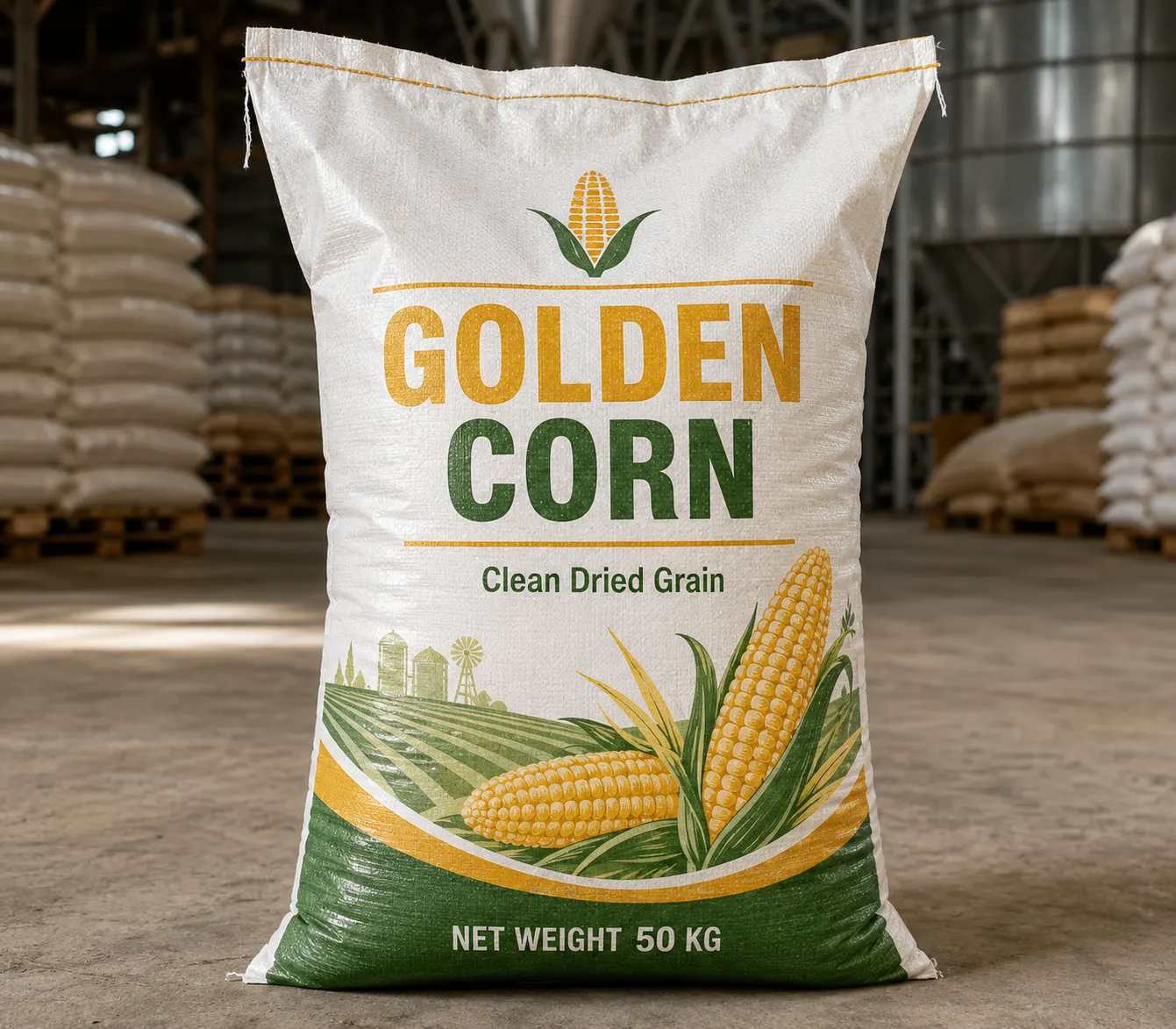
  • Printed laminated grain bags offer a smoother surface and more detailed artwork for branded corn, soybean or pulse packs.
  • Fabric weight and weave density can be matched to the bulk density and handling behavior of each crop.
  • Heat-cut, cold-cut, hemmed and drawstring mouths support different manual and machine-filling arrangements.
  • Common 10 kg, 20 kg, 25 kg, 40 kg and 50 kg formats can be refined through trial filling.
Product Description
Product Details
6
One Nominal Weight, Different Grain Volumes

Corn kernels, wheat, soybeans and lentils do not occupy the same volume at an equal net weight. Grain shape also changes how the contents settle during conveying and stacking. A 25 kg corn bag may therefore need different dimensions from a 25 kg soybean bag, even when both use a similar woven fabric.

6
Choose Breathability or a More Closed Structure

Small gaps remain between the tapes of an uncoated woven bag, allowing limited airflow. This is often practical for properly dried grain when breathability is part of the warehouse plan. Packaging cannot correct high grain moisture, unsuitable temperature or poor warehouse ventilation, so the condition of the crop must be controlled before filling.
Coating closes the woven surface and can reduce passage of fine particles or dust. An inserted PE liner forms a separate inner layer where the distribution route calls for additional protection from ambient moisture. A more closed structure changes how air leaves during filling, so the opening, liner fit and closing process should be checked together.
For a retail or branded agricultural product, a printed laminated surface can carry more detailed artwork than basic flexographic printing. The lamination, print method and required barrier should be confirmed for the individual crop and market rather than treated as one standard construction for every grain.

6
Filling, Closing and Warehouse Handling

Heat-cut and cold-cut mouths offer straightforward filling. A hemmed mouth provides a neater edge and better resistance to fraying, while a drawstring can suit applications that require convenient closing or reopening. The bottom may be single- or double-stitched, with sealing tape considered when small particles pass through the sewing line.
The opening and overall dimensions can be developed for manual, semi-automatic or automatic filling.

6
Food-Related Material and Printing Review

For food-related grain packaging, 100% virgin PP is available and commonly recommended. Product-contact, migration, ink and labeling requirements vary by crop and destination, so the applicable order requirements should be confirmed before production.
Flexographic printing works well for logos, grain names, grade, net weight, origin and handling marks. A laminated printed surface supports photographs and finer graphics. Barcode placement should avoid folds, seams and high curvature, and a printed sample should be scanned under the buyer's normal conditions.
Order checks may include fabric weight, weave consistency, tensile performance, print color and registration, lamination bond, liner fit, stitching and packed quantity. Requirements should be recorded against the approved sample.

Item Reference Options
Product PP woven grain packaging bags
Applications Corn, wheat, soybeans, barley, sorghum, millet, pulses, lentils and agricultural seeds
Material Woven PP; 100% virgin PP available and commonly recommended for food-related packs
Structure Plain uncoated, coated, printed laminated or PE-lined
Common capacities 10 kg, 20 kg, 25 kg, 40 kg and 50 kg
Fabric weight Commonly 55–100 gsm
Weaving density Commonly 10 × 10, 11 × 11 or 12 × 12; other constructions by review
Bag width Commonly 35–75 cm
Bag length Commonly 55–110 cm
Fabric colors White, natural/translucent, yellow, green, red or another production color
Top Heat-cut, cold-cut, hemmed or drawstring
Bottom Single- or double-stitched; sealing tape optional
Printing Flexographic on plain/coated fabric; laminated printing after artwork review
Other options Inserted or sewn-in PE liner, anti-slip treatment and UV stabilization
MOQ, plate cost and lead time Confirmed after size, structure, artwork and quantity are reviewed

Typical Size Reference

These dimensions are starting points in width × length format. Grain density, headspace, liner and closing method can change the final size.

Fill weight Reference bag size Reference fabric weight
10 kg About 35 × 55 cm 55–65 gsm
20 kg About 45 × 70 cm 60–70 gsm
25 kg About 45 × 75 cm 60–75 gsm
40 kg About 55 × 90 cm 65–85 gsm
50 kg About 55 × 95 cm 70–90 gsm


Information Needed Before Quotation

  • Grain or agricultural product and its condition at packing
  • Target net weight and bulk density, if available
  • Current bag size, filled sample or required dimensions
  • Manual, semi-automatic or automatic filling method
  • Preferred breathable, coated, laminated or PE-lined structure
  • Top, bottom, anti-slip and temporary UV requirements
  • Artwork, barcode and required printing method
  • Storage route, order quantity and destination

Start with the Crop and Prove the Size

Tell XH Packaging what grain you pack, the target weight and how the filled bags move through storage and distribution. We can compare breathable and more closed constructions, prepare a sample and confirm capacity, closing and stack behavior with the actual crop.

Grain Packaging Bags FAQ

1. Which crops are covered by this grain bag range?

The range covers corn, wheat, soybeans, barley, sorghum, millet, pulses, lentils and agricultural seeds. Bag size and structure depend on crop density, condition at packing and the handling route. Send the crop type, target weight and current bag details.

2. Should corn or wheat use a breathable woven bag?

Use an uncoated woven bag when properly dried grain and the storage plan call for limited airflow. It cannot correct high moisture, unsuitable temperature or poor warehouse ventilation. Provide the grain condition and storage route before selecting the structure.

3. When is a coated, laminated or PE-lined structure useful?

Coating helps control passage through the weave, a laminated surface supports detailed branding, and a PE liner adds a separate inner layer. Humidity, particle size, filling behavior and presentation needs determine the best option. Test the structure with the actual crop and packing line.

4. Can one bag size hold 25 kg of any grain?

Not reliably, because crops have different bulk densities and settling behavior. Corn, wheat and soybeans may need different dimensions at the same net weight. Confirm the size through trial filling or a proven bag sample.

5. Can a barcode be printed on a grain bag?

Yes, if the artwork and bag surface provide suitable contrast, a compliant quiet zone and flat placement. The code should avoid folds, seams and high curvature. Send the barcode file, required size and scanner conditions for a printed-sample test.

icon Related News icon

Related News

icon service icon
Related service
service 1

OEM & ODM Custom Packaging

We provide complete OEM & ODM solutions for PP woven bags, BOPP laminated bags and FIBC jumbo bags. Customized sizes, colors, printing designs and bag structures are available according to different packaging requirements.

service 2

Custom Printing & Branding

Advanced gravure printing and BOPP lamination technologies help customers enhance product appearance and brand value. Multi-color printing, matte/glossy finishes and high-definition graphics are available.

service 3

Industrial Packaging Solutions

We provide professional packaging solutions for agriculture, food, chemicals, construction materials, feed, fertilizer and bulk cargo industries.

service 4

FIBC Jumbo Bag Customization

Customized FIBC jumbo bags are available in different loading capacities, lifting designs, top & bottom constructions and safety factors for industrial bulk transportation.

service 5

Flexible Bag Structure Options

Available bag types include valve bags, block bottom bags, gusset bags, pillow bags, laminated bags and PE liner bags.

service 6

High Strength & Quality Control

From raw materials to finished products, every production process is strictly controlled to ensure high tensile strength, stable quality and reliable packaging performance.

icon Send Your Message icon

Get in Touch

    Products
    Contacts
    WhatsApp
    Email